
SecurityAdvisoryCouncil.com
Security Risk Analysis - Issues - Strategies - Solutions - Resources
Security Risk Advisory Consultants - Security Planning & Education
Security MostWanted For America!

CHURCH SECURITY



Church Security Involves
Awareness and Being Prepared
Many church administrators do not see the need for a church security system. They sometimes feel that a security system does not belong in a church environment and that such a system would convey the wrong message to the parishioners. Unfortunately, violence and theft in churches and synagogues are becoming more and more prevalent in today's world.
Church Security does not Have to Convey Distrust. A properly installed church security system will not impair the feeling of openness and trust that most congregations wish to convey. Church security is as much about awareness and being prepared for the unexpected as it is about intrusive video surveillance and intrusion detection equipment.
There are many things church leaders can do to create a safe environment for the church members
Theft and vandalism can be reduced by eliminating landscaping that blocks the view of the church.
Providing sufficient outdoor lighting.
Greeters and ushers should have training to recognize suspicious situations or persons.
Children should be monitored closely and only released to parents or authorized persons.
A complete and thorough background check or references must be available on all employees and volunteers. This is of special concern for volunteers who work with children.
Create a security team or safety committee. Many times, there will be a member with security background that can volunteer their time. In addition, there may be other qualified individuals to form and provide a physical security team to monitor and patrol the parking lot and other vulnerable areas to ensure adequate protection. It is would also wise to provide the facility security team with 2-way communication equipment devices.
Develop an emergency plan with the security team that covers not only dealing with dangerous intruders but also natural disasters that may occur. This plan should be reviewed and tested periodically.
Money and valuable items left on the premises should be secured and listed for insurance purposes.
Hire a professional security consultant to review your particular needs or have regular meetings with the security team.
Some security hardware will need to be acquired, but substantial savings can be realized by carefully planning and designing your church security system before you buy.
You must consider all the uses of the facility. Many churches provide a weekly daycare center as well as outside playground areas that will need to be monitored. If your church is used for a community meeting facility for a variety of organizations, some form of intrusion detection and access control might be a necessity.
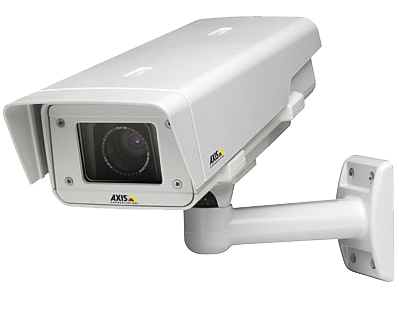
Video Surveillance can Serve a Dual Purpose. Some churches with sizeable congregations have been able to utilize their video surveillance equipment to provide video streaming of their services on the internet. This is something that can enhance the return on your investment for a security system. Be sure and check with your insurance company to determine what savings you might receive by installing a security system in your church or synagogue.










Double click here to add text.
Double click here to add text.
Double click here to add text.

By Signing Up For Our News Letter, You Will Receive The Latest Security News, Features, and Special Reports
Once-A-Month!
Protecting the Congregation
Protecting houses of worship involves a multi-layered approach that balances a welcoming environment with robust security measures. Key strategies include conducting risk assessments, developing emergency action plans, and utilizing modern technology for surveillance and access control.
Fundamental Security Steps
The Cybersecurity and Infrastructure Security Agency (CISA) recommends six primary steps to enhance security against targeted violence.
Understand Risk: Perform a Security Self-Assessment to identify vulnerabilities.
Understand Your Space: Evaluate the outer, middle, and inner perimeters of your building and grounds.
Develop and Practice a Plan: Create a documented Emergency Action Plan (EAP) and conduct regular drills.
Inform and Educate Greeters: Train ushers and staff to recognize suspicious behaviors and employ de-escalation techniques.
Pursue Grants: Apply for federal funding through the FEMA Nonprofit Security Grant Program to cover security upgrades.
Report Incidents: Immediately report hate crimes and suspicious activity to local law enforcement and the FBI.
Physical & Technological Measures
Implementing specific physical barriers and monitoring tools can deter potential threats.
Surveillance Systems: Install AI-enhanced video cameras to monitor entrances and parking lots in real-time.
Access Control: Limit entry to a single monitored entrance during services and use electronic locks for sensitive areas.
Arson Prevention: Improve exterior lighting, clear overgrown shrubbery that blocks views, and install fire sprinkler systems.
Communication Tools: Use two-way radios to ensure instant communication among security teams and staff during emergencies.
Specialized Safety Plans
Beyond general security, houses of worship should address specific vulnerable areas.
Child Safety Plans: Conduct background checks for all staff and volunteers working with children and establish strict check-in/out procedures.
Medical Response: Identify members with medical training (doctors, nurses, EMTs) and equip the facility with First Aid kits and AEDs.
Cybersecurity: Protect sensitive congregant data and financial information by following modern cybersecurity best practices.



DIRECTORY
